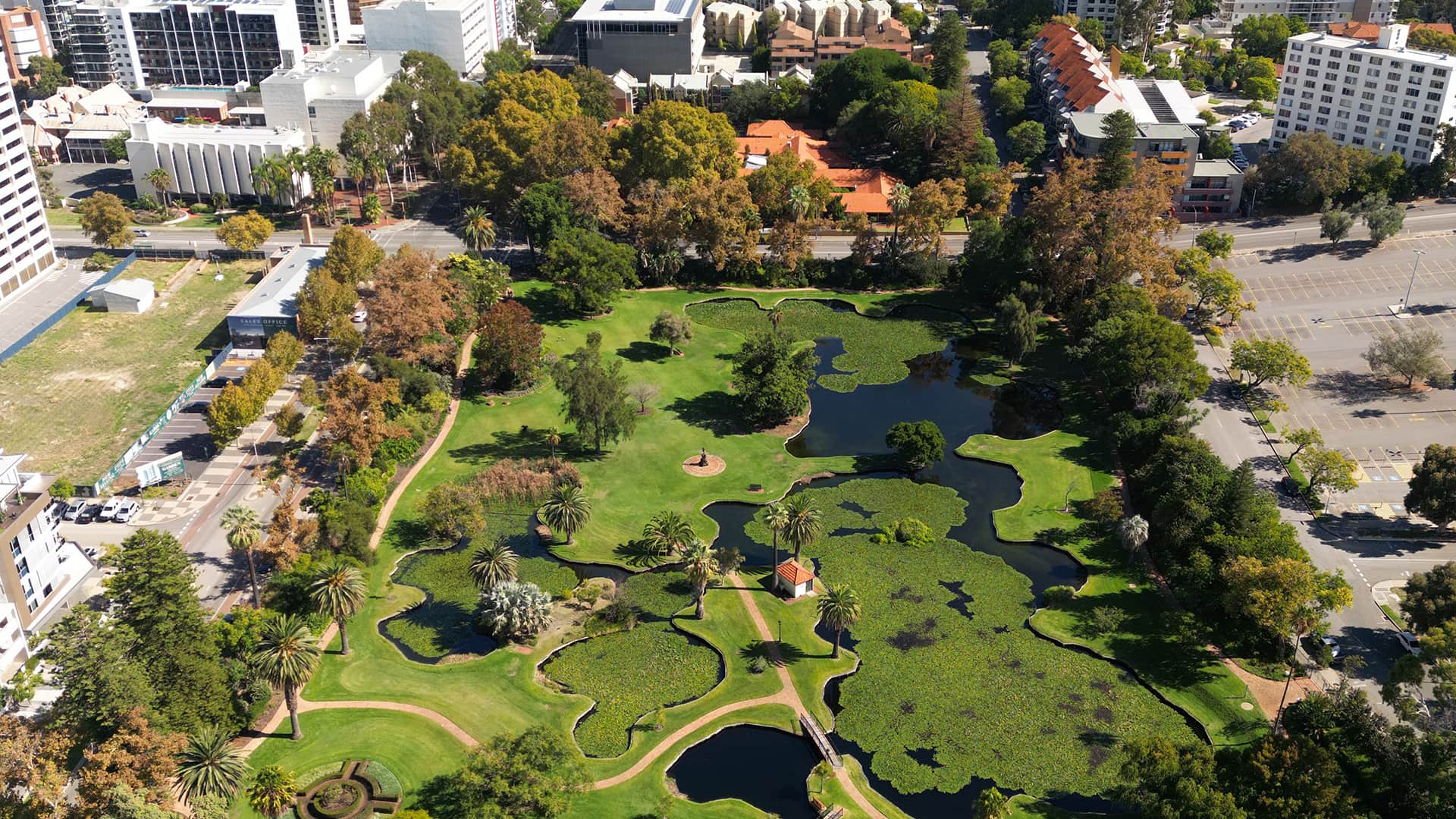
Wetlands Habitat Extent
 ADD TO E-PORTFOLIO
 SUGGEST AN EDIT
ADD TO E-PORTFOLIO
SUGGEST AN EDIT
SUGGEST AN EDIT
ADD TO E-PORTFOLIO
SUGGEST AN EDIT
EO Capability Benefits
Wetlands provide an enormous range of ecosystem services while addressing a number of environmental risks. They have been called “nature’s kidneys” and are home to a dizzying array of flora and fauna. They act as natural filters, purifying water by removing pollutants and excess nutrients. They are essential for supporting flood control, groundwater recharge, preventing erosion, and regulating local climates. The importance of understanding and monitoring the health and extent of wetlands has been recognised by a wide range of governmental and non-governmental actors, many of whom are making use of remote sensing capabilities, also to comply with international obligations under the Ramsar Convention on Wetlands.
EO Capability Description
Earth Observation applications have sought to reliably identify the extent and type of wetland (bog, fen, marsh, swamp, shallow water). One of the main challenges is that wetlands are highly heterogeneous areas containing a variety of vegetation, water and soil conditions with a high degree of temporal variability. Differentiating different types of wetlands requires distinguishing between highly similar spectral (if using optical imagery) and/or radar signatures (“backscattering”).
Synthetic Aperture Radar (SAR) has been used extensively to monitor wetlands, as it is both cloud and night/day independent while being able to penetrate both the soil and plant canopies. Moreover, its sensors are sensitive to the roughness of surface objects, the dielectric constant, and moisture level. These are features which greatly facilitate wetland detection. Due to the complexity of wetland environments, the most accurate results have been achieved using multi-temporal, multi-frequency (i.e. combining C-band and L-Band, or all three along with X-band) and multi-incidence angle SAR imagery. But also multispectral and hyperspectral imagery has been used successfully. Deep learning models, using optical multispectral and SAR imagery from Sentinel-1 and Sentinel-2 as inputs, have recently been able to overcome some of the challenges otherwise posed by the requirement for often costly collection of training data.